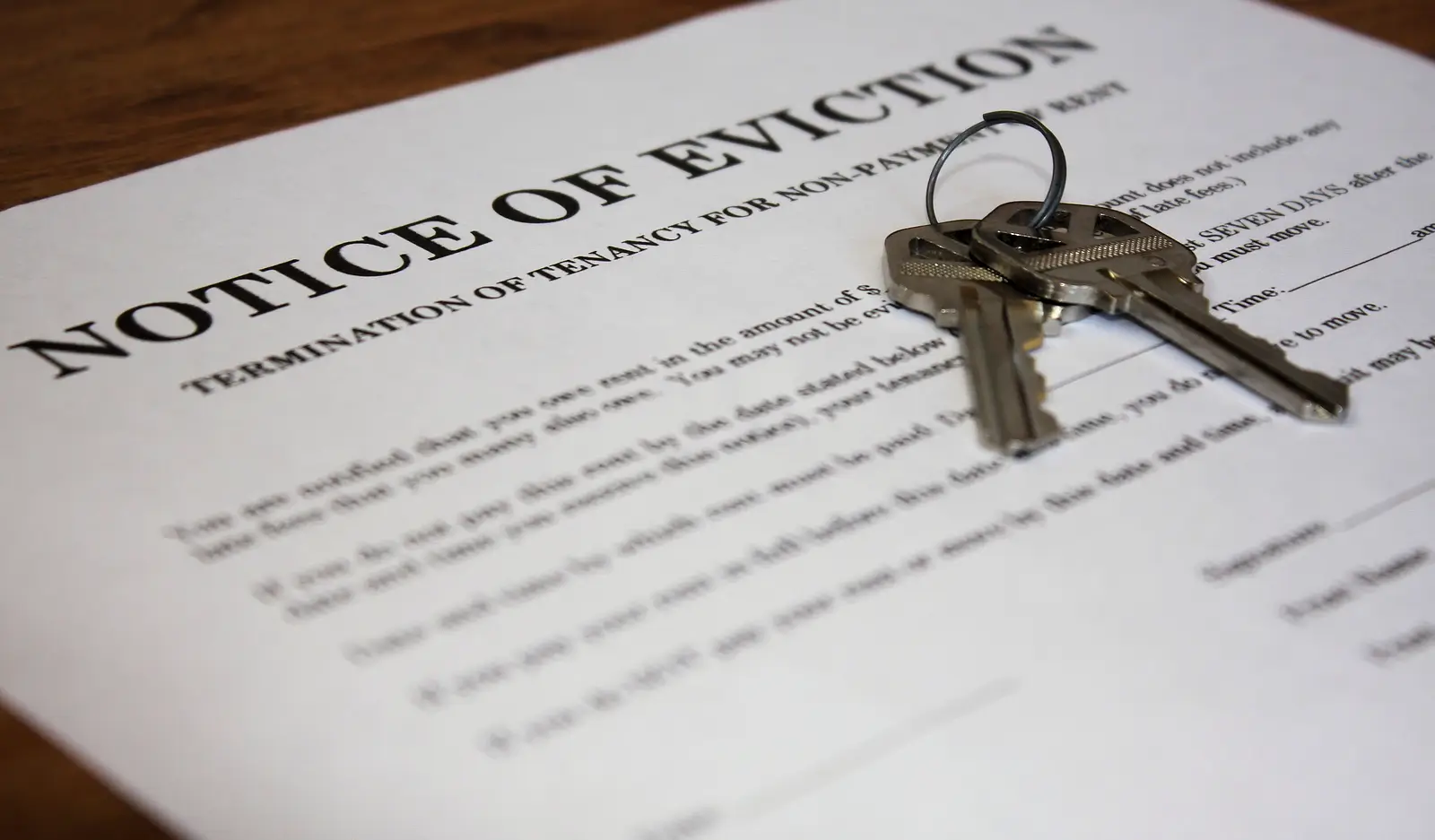
What would happen if a single mistake in your eviction process forced you to start all over again? In Rhode Island, the eviction system is tightly regulated and fully managed through the courts. Even experienced landlords can face delays and legal complications if notices are served incorrectly or deadlines are missed. A small oversight can cost weeks of preparation and create financial and operational headaches.
Managing one rental is challenging enough, and overseeing multiple properties adds even more complexity. Each step in the eviction process has specific legal requirements that must be followed precisely.
Let this article guide landlords through the eviction process so they can act confidently and avoid costly mistakes.
Key Takeaways
- Follow the Law Carefully: Every eviction step must comply with Rhode Island statutes, including proper notice delivery and court filings, to avoid delays or case dismissal.
- Document Everything: Maintain detailed records of leases, rent payments, communications, and violations to strengthen your case in court.
- Avoid Common Mistakes: Using the wrong notice, skipping waiting periods, or attempting self-help evictions can derail your case and lead to fines.
- Partner with Professionals: Working with a property management company like Stonelink Property Management ensures compliance, efficient eviction handling, and protection of your investments.
Legal Grounds for Eviction in Rhode Island
Landlords in Rhode Island may only evict tenants for reasons recognized by law. Courts will not approve removals based on personal disputes, pressure tactics, or informal requests to vacate.
Eviction rights and responsibilities are governed by the Rhode Island Residential Landlord and Tenant Act, which defines lawful grounds for eviction and procedural requirements.
Common legal grounds include:
- Nonpayment of rent
Rent must be late beyond any grace period stated in the lease. - Lease violations
This includes unauthorized occupants, pets, property damage, or prohibited activities. - Expired lease or holdover tenancy
Tenants who remain after a lease ends without renewal may be evicted with proper notice. - Health or safety violations
Severe issues that threaten the property or other residents may justify eviction. - Repeated violations
Chronic late payments or recurring lease breaches strengthen a landlord’s case.
Evictions based on discrimination, retaliation, or personal disputes are not allowed. Judges often dismiss cases when landlords fail to clearly document the legal basis for removal.
Required Eviction Notices in Rhode Island
Proper notice is the foundation of a lawful eviction. Using the wrong notice or delivering it incorrectly can invalidate the entire case. These are the notices required in eviction cases.
5-Day Notice to Pay Rent or Quit
Nonpayment cases follow a strict statutory process. Under R.I. Gen. Laws § 34-18-35, rent is considered late if it remains unpaid for fifteen days after the due date, unless the lease states otherwise.
It must:
- State the total amount owed
- Give the tenant five days to pay or vacate
- Include the rental address and landlord information
If the tenant pays the full amount within five days, the eviction must stop.
20-Day Notice for Lease Violations
This notice is used for most non-rent lease violations and must clearly describe the specific issue involved. In most cases, tenants are given time to correct the violation before further action is taken.
If the same violation occurs again, landlords may be allowed to terminate the tenancy without offering another opportunity to cure. Judges closely review the language used in these notices and expect precise, specific details rather than vague or generalized complaints.
30-Day Notice to Terminate Month-to-Month Tenancy
For tenants who do not have a fixed lease term, Rhode Island law requires landlords to provide at least 30 days’ written notice before ending the tenancy. The timing of this notice is critical, as it must align with the rental period stated in the agreement.
A notice that cuts a rental month short or is served too late may be deemed invalid by the court, forcing the landlord to restart the eviction process.
Proper Service of Notice
Rhode Island law allows notice delivery by:
- Hand delivery to the tenant
- Leaving it at the unit if personal delivery fails
- Certified or first-class mail in certain situations
Landlords should always keep proof of service. Missing documentation is a common reason cases are dismissed.
Filing an Eviction Case in Rhode Island District Court
If the tenant ignores the notice or refuses to correct the issue, the process moves from paperwork to court. At this stage, landlords must file an eviction complaint with the Rhode Island District Court in the county where the rental property is located. This is where preparation becomes critical. Judges expect landlords to arrive with clear, organized records that support the eviction request.
At a minimum, this includes a signed copy of the lease agreement, the eviction notice served, proof of how and when the notice was delivered, and a detailed rent ledger or documentation of the lease violation.
Filing an eviction also comes with costs. Landlords must pay a court filing fee and additional fees to have the tenant formally served with court papers. Once the complaint is filed, the court typically schedules a hearing within one to two weeks. Missing documents or incomplete filings can slow everything down or result in the case being dismissed entirely, forcing landlords to start the process over and lose valuable time.
The Rhode Island Eviction Court Process
Eviction cases in Rhode Island tend to move quickly once they reach the courtroom, which is why preparation plays such a critical role. Landlords who arrive organized and well-documented are far more likely to see the process move smoothly, while those who rely on memory or verbal explanations often struggle.
Initial Court Hearing
During the initial hearing, the judge focuses on whether the eviction was handled correctly from the start. The court reviews several key factors, including:
- whether the eviction notice was legally valid and properly served
- whether the landlord followed all required legal steps and timelines
- whether there is clear evidence supporting the eviction claim
Judges expect landlords to present written records, not explanations or assumptions. Leases, notices, ledgers, and documentation carry far more weight than verbal arguments.
Tenant Defenses Landlords Should Expect
Tenants often raise defenses to challenge or delay eviction, even when a violation has occurred. Common arguments include claims of improper or defective notice, retaliation for requesting repairs, unsafe or uninhabitable living conditions, or disputes over rent payments and accounting errors. Even when these defenses are weak, they can slow the case if the landlord lacks clear documentation to counter them.
Court Judgment Outcomes
After reviewing all evidence, the judge may dismiss the case, grant possession of the unit to the landlord, or issue a judgment for unpaid rent in addition to possession. It is important to understand that winning possession does not result in immediate tenant removal. Additional legal steps are required before a tenant can be lawfully removed from the property.
Timeline: How Long Does Eviction Take in Rhode Island?
Eviction timelines in Rhode Island are not set in stone. The total duration depends on the reason for eviction, how the tenant responds, and whether the case becomes contested in court. While some cases move quickly, others can stretch out longer than landlords expect.
Typical estimates for eviction timelines include:
- Nonpayment of rent: 2 to 4 weeks from notice to court judgment
- Lease violations: 3 to 6 weeks, depending on whether the tenant corrects the issue
- Contested cases: 6 to 8 weeks or longer, especially if the tenant files motions or disputes the claim
Delays are common and often caused by factors such as:
- ●Serving an incorrect or incomplete notice
- Tenant motions, continuances, or appeals
- Court scheduling backlogs or limited hearing dates
Patience and strict compliance with all legal steps are essential. Trying to rush the process or skip required procedures almost always leads to setbacks, potentially forcing landlords to restart the eviction from the beginning. Planning ahead, keeping detailed records, and following the law carefully can help ensure a smoother, faster resolution.
Common Eviction Mistakes Rhode Island Landlords Make
Many eviction cases fail not because the tenant is in the right, but because landlords make avoidable mistakes. Even small errors can derail an otherwise strong case and lead to costly delays.
Frequent mistakes include:
- Serving the wrong type of notice: Using an incorrect notice can invalidate the eviction and force the landlord to restart the process.
- Accepting partial rent after filing: This can complicate the case and may be seen as waiving the eviction right.
- Failing to document violations: Courts rely on written records, such as lease agreements, notices, and logs, to verify claims.
- Skipping required waiting periods: Serving notices too early or filing prematurely can lead to dismissal.
- Attempting lockouts or utility shutoffs: Self-help evictions are illegal and expose landlords to fines and lawsuits.
Courts rarely excuse technical errors, even when the tenant has clearly violated the lease. Staying organized, following the law, and documenting everything are the best ways to avoid these pitfalls and keep the eviction process on track.
How to Protect Yourself as a Rhode Island Landlord
Evictions are stressful, time-consuming, and full of potential pitfalls, which is why having strong systems in place is essential for any landlord. Proper management reduces eviction risks and can prevent many issues before they escalate. Best practices include:
- Using clear, legally compliant leases that outline tenant responsibilities, payment obligations, and the steps to handle violations.
- Keeping detailed rent and communication records to maintain a clear history of interactions and provide evidence if disputes arise.
- Performing regular inspections to identify potential problems or lease violations early, before they become more serious.
- Addressing maintenance issues promptly to ensure the property remains safe, habitable, and up to local standards.
- Seeking professional guidance when needed to confirm that every action aligns with Rhode Island laws and local regulations.
Even with careful management, navigating the eviction process in Rhode Island can feel overwhelming. Partnering with a professional property management company provides significant support.
Working with a professional helps landlords handle tenant issues efficiently, keeps the property operations smooth, and minimizes the potential for legal complications. For landlords managing multiple units, professional oversight can save time and prevent costly errors.
Stonelink Property Management offers full-service property management and eviction support in Rhode Island. We help landlords remain compliant, safeguard their investments, and maintain smooth rental operations.
Eviction Insights Every Rhode Island Landlord Should Know
Can I charge tenants for court costs during an eviction?
Yes, landlords may be able to recover certain court costs, such as filing fees or service fees, if the lease allows it. It is important to document these costs clearly and include them in your court filings. Always check that your lease language supports these charges.
What happens if a tenant damages the property before leaving?
If a tenant causes damage before vacating, landlords can document the issues and deduct repair costs from the security deposit, provided it complies with Rhode Island law. Taking photos, maintaining repair invoices, and providing proper notice are key to avoiding disputes.
Can a tenant stay after an eviction judgment is issued?
In some cases, tenants may request additional time to move out even after a judgment. Courts can grant short extensions under specific circumstances, but landlords remain protected under the writ of execution once the court sets a removal date.
Ensure Smooth Evictions and Secure Your Property
Evictions are challenging, but they can be handled efficiently with careful planning and a clear understanding of Rhode Island’s laws. Knowing each step of the eviction process helps landlords stay in control and reduce stress while protecting rental income. Strong systems and accurate documentation make the process more manageable and predictable.
Working with an experienced team simplifies the eviction process. Stonelink Property Management handles every step, from preparing notices to managing court filings. Our support helps landlords protect their properties and ensure tenants are treated fairly.
Don’t risk mistakes or delays with your rental properties. Call Stonelink Property Management today to take control of your evictions, safeguard your investments, and keep your rentals running smoothly.
Recommended Reading:
- Introducing Stonelink + Exclusive Home Services for Our Residents
- 5 Easy Ways to Get More Rent for Your Rhode Island Home
- The Rhode Island Landlord’s Guide to Snow Removal and Winter Safety