


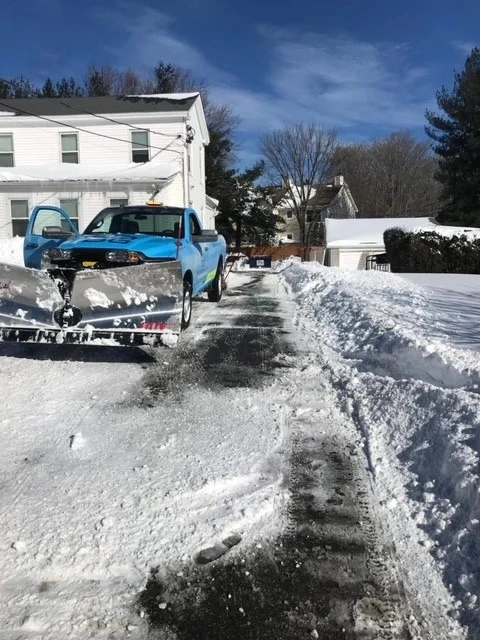
Winter in Rhode Island can feel like stepping into a snow globe. In your cozy home, you can watch the snow fall, enjoy the crisp cold air from inside, and relax by the fireplace.
But for landlords, it’s not all snow angels and hot cocoa. Managing a rental property in the cold winter months can feel like an Olympic sport. Shoveling sidewalks, navigating icy walkways, tackling frozen water pipes, and keeping heating costs in check all add up.
With a little prep work, landlords can keep their properties well-maintained. They can keep tenants safe and warm. They can also avoid dreaded liability headaches. Here are some tips and strategies to help you survive Rhode Island winters with confidence and sanity.
Key Takeaways
- Winter in Rhode Island brings challenges like snow, ice, frozen water pipes, cold air infiltration, and higher heating costs.
- Snow removal and outdoor maintenance are critical for tenant safety and reducing landlord liability.
- Planning ahead, maintaining clear communication with tenants, and documenting all winter actions help your property stay safe and well-maintained.
- Partnering with Stonelink Property Management ensures reliable in-house teams, fast responses, and peace of mind throughout the cold months.
Major Problems During Winter
Every Rhode Island landlord knows that winter isn’t just about enjoying the snow from indoors. The cold months bring two major challenges: snow removal and outdoor maintenance. Both can impact tenant safety, your property, and even your liability insurance. Recognizing these challenges early is the first step to staying ahead.
Snow Removal
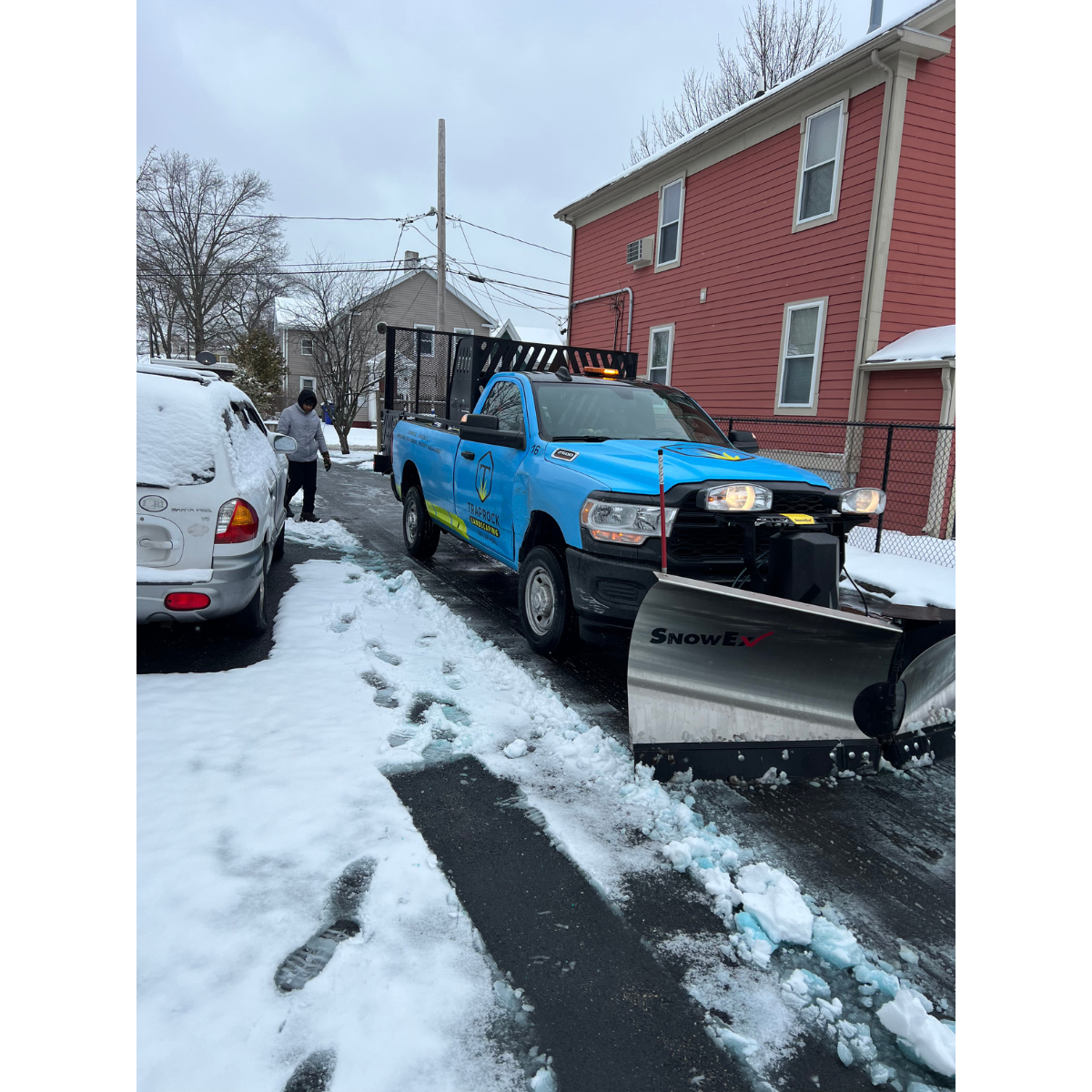
Snow is one of the most obvious winter hazards. It accumulates quickly, making sidewalks, entrances, and driveways slippery and dangerous. Unmanaged snow increases the risk of slips and falls, one of the leading causes of landlord liability. Here’s how to manage it effectively:
- Salt Buckets – Place buckets of salt at every entrance of the rental property. Include a note or sticker with contact information for refills. Salt helps reduce ice buildup and keeps tenants safe during extended periods of freezing temperatures. Proper use of salt and sand protects tenants from slips and ensures the property is compliant with safety standards.
- Snow Removal Plan – Partner with a licensed and insured snow removal service. This ensures timely clearing of snow and ice during a winter storm, even if you’re unavailable. A well-organized plan keeps sidewalks, driveways, and entrances safe, reduces heat loss around outdoor areas, and helps tenants navigate the property comfortably.
- Liability Insurance – Make sure your snow removal provider carries proper insurance. This protects you in case a slip-and-fall accident occurs, showing that you’ve fulfilled your landlord’s responsibility and prioritized tenant safety during the cold months.
- Documentation – Take photos when placing salt buckets, pre-treating walkways, or after plowing. Keeping detailed records demonstrates that you manage snow and ice carefully, maintain a well-maintained property, and reduce liability risk. Writing down procedures or logging maintenance digitally also provides evidence in case of insurance or tenant disputes.
Following these steps helps landlords reduce risk, protect tenants, and maintain a safe, accessible property throughout winter storms and freezing temperatures.
Outdoor Maintenance
Winter brings more than snow. Cold temperatures, heavy winds, and shifting weather patterns can create several outdoor hazards that affect both safety and property condition. Staying on top of these exterior tasks helps you prevent damage, protect tenants, and avoid unexpected repair bills during the cold season.
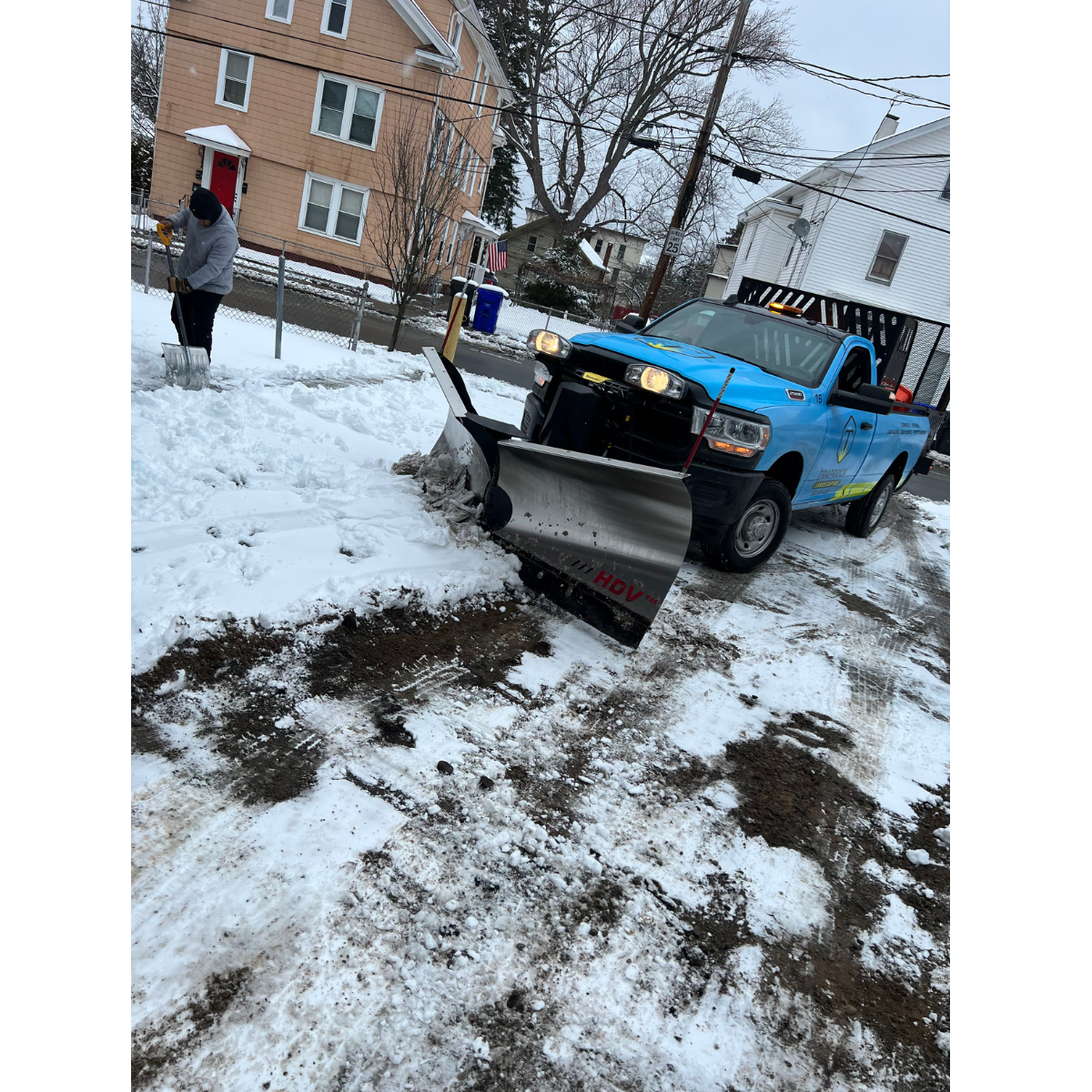
Here are some key outdoor maintenance steps that go beyond shoveling and salting:
- Clear Gutters and Downspouts
Leaves and debris trapped in gutters can freeze, creating blockages. When melting snow has nowhere to drain, it can overflow and seep into siding or foundation areas. Keeping gutters clear helps reduce the chance of ice dams and water damage. - Inspect Rooflines and Overhangs
Check roof edges, shingles, and exterior trim for weak spots or gaps. Winter storms put pressure on aging materials, and even a small crack can allow moisture to enter. A quick visual inspection can prevent leaks or structural issues later. - Secure Loose Railings, Steps, and Exterior Fixtures
Cold weather makes materials contract, and older hardware can loosen. Confirm that railings, porch steps, and handrails are steady. These areas need extra attention in winter because tenants rely on them for balance when surfaces get slick. - Trim Low Branches and Remove Dead Limbs
Branches weighed down by snow or ice can break without warning. Removing compromised limbs near parking areas, walkways, entry doors, or utility lines reduces the chances of damage during a storm. - Check Exterior Lighting
Winter days are shorter, and outdoor lighting is essential for safety. Confirm that walkway lights, porch fixtures, and parking lot lamps are working. Replace bulbs or upgrade to brighter, energy-efficient options so tenants can navigate the property easily after dark. - Inspect Exterior Vents and Dryer Exhausts
Cold temperatures can cause frost buildup around exterior vents. Blocked vents reduce airflow, create fire hazards, and strain heating systems. Make sure openings stay clear throughout the season. - Monitor Drainage Around the Property
Melting snow can refreeze overnight, creating unexpected ice patches. Check grading and exterior drains to ensure water flows away from entrances and high-traffic areas. Adjusting or clearing drains reduces ice formation that might lead to falls.
By tackling these tasks, landlords strengthen the property against winter wear and tear and create a safer environment for tenants. Consistent exterior upkeep helps minimize emergencies and keeps your building in better condition during the harshest months.
How Your Property Manager Can Help During Winter
Winter is easier to manage when your property manager has every tool, skill, and crew already in-house. That is where Stonelink stands out. Instead of juggling outside contractors, all work is handled by our own vertically integrated teams who follow Stonelink standards and are accountable to Stonelink results.
Key advantages include:
- In-House Snow Removal and Maintenance – Our snow removal crews, maintenance technicians, and landscaping teams are all part of the Stonelink operation. That means faster response times, reliable service, and consistent quality during winter storms.
- Rapid Response to Issues – Frozen pipes, icy entrances, or snow-blocked driveways are handled immediately by our trained teams without delays caused by outside vendors.
- Aligned Teams and Core Values – Every technician, plumber, or landscaper operates under Stonelink’s values and service standards. You get one consistent approach across every winter task.
- Proactive Communication – Tenants are informed before and after storms so they know what to expect, reducing confusion and improving safety.
- Detailed Documentation – Every action, from salt placement to plowing and sanding, is logged with photos and records. This provides landlords a strong paper trail and proof of proactive winter management.
By combining vertical integration, clear communication, and precise documentation, Stonelink reduces risk, improves efficiency, and keeps rental properties safe and accessible during the coldest months. If you want a winter management plan you can rely on, Stonelink is ready to take that off your plate.
Stay Ahead This Winter: Answers to Key Landlord Questions
1. How can I prevent ice buildup on my roof during winter?
Ice dams can cause serious damage to your roof and gutters. Make sure your attic is properly insulated and ventilated. Clear debris from gutters before winter and consider using roof rakes to remove heavy snow safely. Regular inspections by a professional can also prevent costly problems.
2. What should I do if a tenant’s pipes freeze?
Act quickly to minimize water damage. Shut off the main water supply, carefully thaw the pipes using a hairdryer or heat tape, and contact a licensed plumber if necessary. Remind tenants to keep a slow trickle of water running during extreme cold to prevent freezing.
3. Are space heaters safe to use in rental units?
Yes, but with precautions. Make sure space heaters are placed on flat surfaces away from flammable materials. Never leave them unattended, and advise tenants to turn them off before going to sleep or leaving the unit. Smoke alarms should always be working in rooms where heaters are used.
Stay Safe and Stress-Free This Winter
Winter in Rhode Island can be magical. Snow-covered streets, crisp air, and cozy nights make it a season to enjoy. But for landlords, it also brings challenges. Snow piling up, icy walkways, frozen pipes, and heating bills that keep climbing can quickly turn cozy into chaotic.
The key is being ready. Clear sidewalks, safe entrances, and a solid plan for storms go a long way. Having a property manager you can count on makes a huge difference too. They handle the tough stuff like coordinating snow removal, keeping walkways safe, and checking in with tenants.
With Stonelink Property Management, you don’t have to worry about juggling contractors or missing a step. Our in-house crews handle snow, ice, and outdoor maintenance. We keep tenants informed and document everything so your property stays safe and well-maintained.
Don’t let winter stress take over. Let Stonelink help you keep your rental safe, warm, and worry-free all season long. Reach out today and see how we make winter management simple for landlords.