

Ten years is long enough for a company to change completely. It is also long enough for the original idea to be tested, stretched, and refined by reality.
For Stonelink Property Management, the past decade was not just about scaling operations. It was about learning what it really means to be responsible for outcomes in a complex industry where residents, investors, and communities all depend on execution.
Looking back, growth was never the goal in itself. Growth was the result of solving real operational problems better over time.
As we head into the next decade, let’s look back at the foundation that brought Stonelink here. Here is how it all started.
Key Takeaways
Stonelink evolved from a generalist property management model into a vertically integrated system built on specialization, accountability, and control of outcomes.
Responsibility became the core operating principle, shaping decisions to bring critical functions in-house and reduce reliance on external vendors.
The company’s growth was driven by improving execution, not just expanding scale, with a strong focus on consistency across residents, clients, and operations.
Looking ahead, Stonelink is focused on maintaining the same level of care and high-quality service for our core investor clients while we expand into affordable housing, operational efficiency, and technology that supports people rather than replacing them.
From Generalists to Specialists
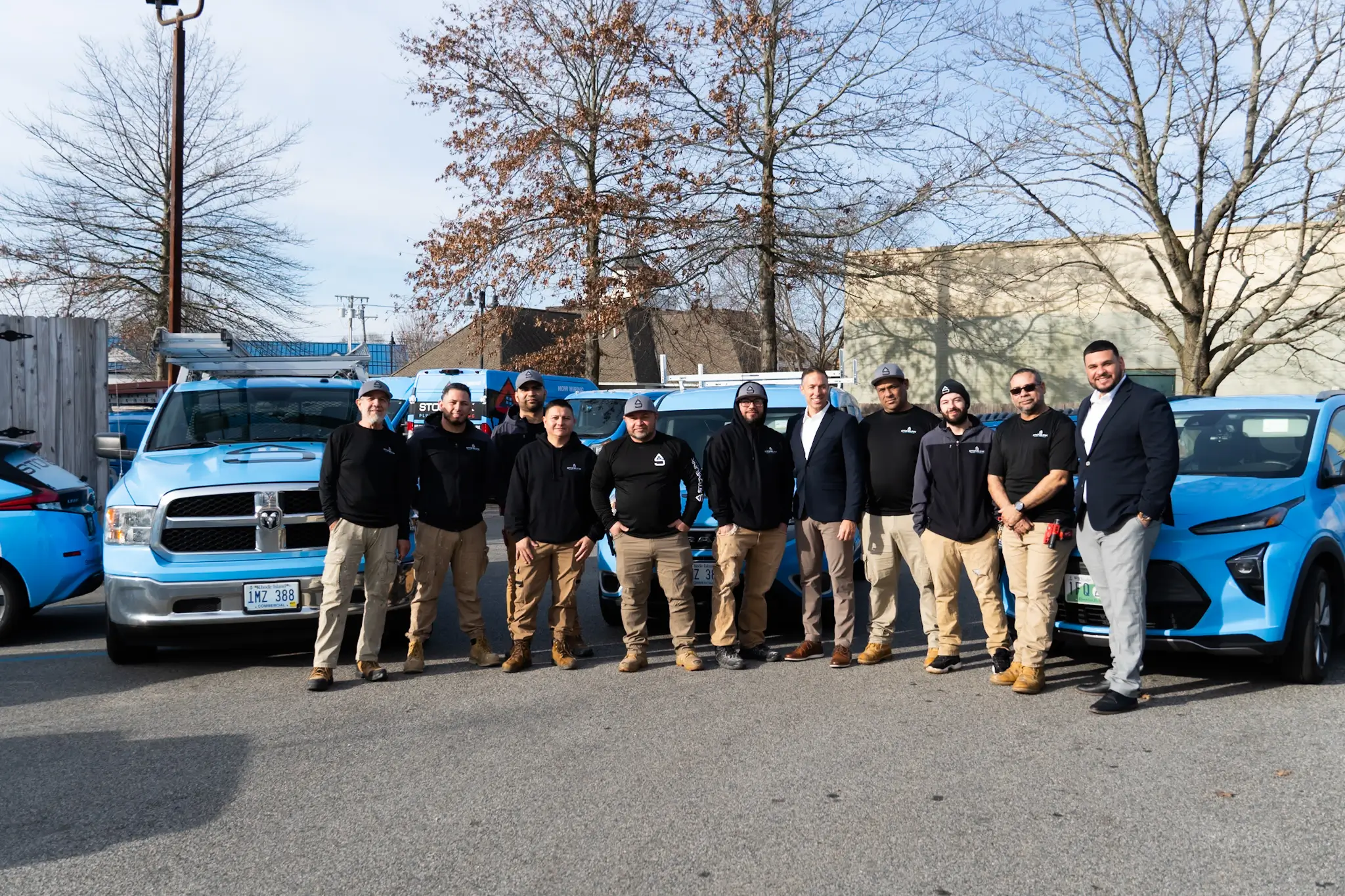
In the early days, Stonelink followed a traditional property management structure.
One property manager handled everything. Leasing, maintenance coordination, marketing, resident communication, and more all fell under a single role.
It worked at a small scale. But as the portfolio grew, the limits became obvious.
No single person could maintain excellence across every function. The workload created inefficiencies, and consistency became harder to sustain.
That realization led to a major shift.
Instead of generalists doing everything, the company moved toward specialization. Teams were built around specific functions. Maintenance, leasing, operations, and other disciplines became focused lanes.
This shift improved execution. More importantly, it created a foundation for scale without losing quality.
“We're looking to see how we can emulate the benefits of having that single person in the traditional model, but reap the reward of having multiple people who are specialists and bringing them together to provide a unified approach to the benefit of our residents, the benefit of the client, and ultimately to the benefit of the company and the community.”
Justin Mann, CEO, Stonelink Property Management
Learning What Responsibility Really Means
One of the earliest and most important lessons came from experience, not theory.
When something went wrong at a property, residents and clients did not distinguish between internal teams and external vendors. They saw one responsible party.
Even when work was outsourced, accountability stayed with Stonelink.
That reality changed how the company viewed its operating model.
If you’re responsible for the outcome, but do not control the process, you are exposed to risk you cannot manage.
That insight became a turning point.
It led to a simple but powerful question. If we are accountable either way, why are we not controlling more of the work directly?
The Move Toward Vertical Integration
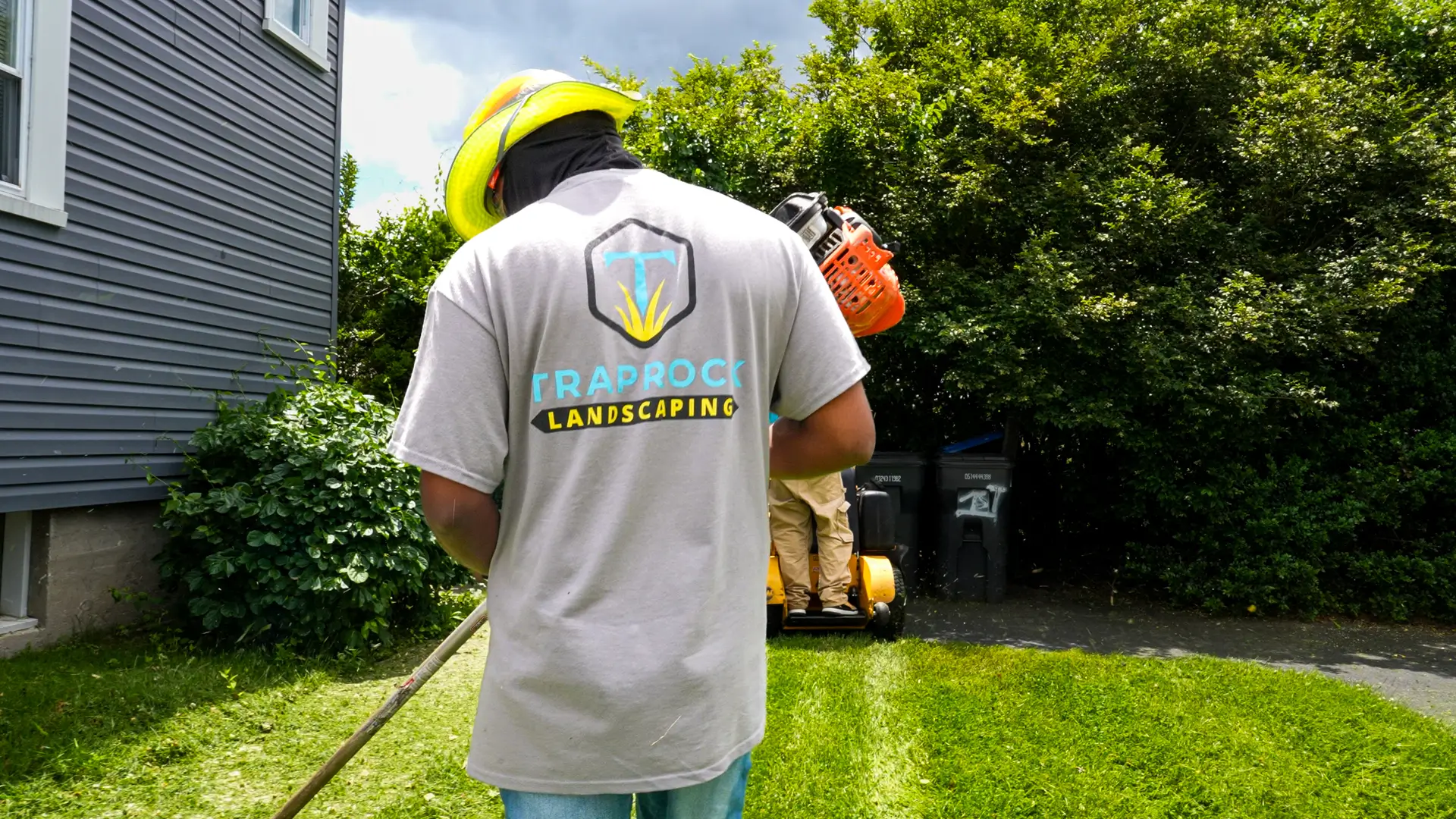
The answer was vertical integration.
Instead of relying heavily on third-party vendors, Stonelink began building internal capability across key operational areas.
It started with maintenance. A maintenance technician became one of the company’s earliest specialized hires. From there, the model expanded steadily.
Over time, the company brought more services in-house, including:
Maintenance operations
Capital improvement and renovations
Cleaning services
Landscaping and snow removal
Plumbing and heating
Lead remediation and compliance support
Legal coordination for housing-related enforcement
Each addition followed the same principle. If it directly impacts resident experience or asset performance, control it internally.
This structure reduced dependency on outside providers and improved response time. It also created tighter alignment between responsibility and execution.
“We've expanded into a number of different disciplines to help our clients and our residents get the best outcomes in the most efficient way at the best value. Those things are critical if our clients are going to see returns. We need to be able to deliver those outcomes in the most efficient and value-driven way possible.”
Justin Mann, CEO, Stonelink Property Management
Building Culture Through Shared Ownership
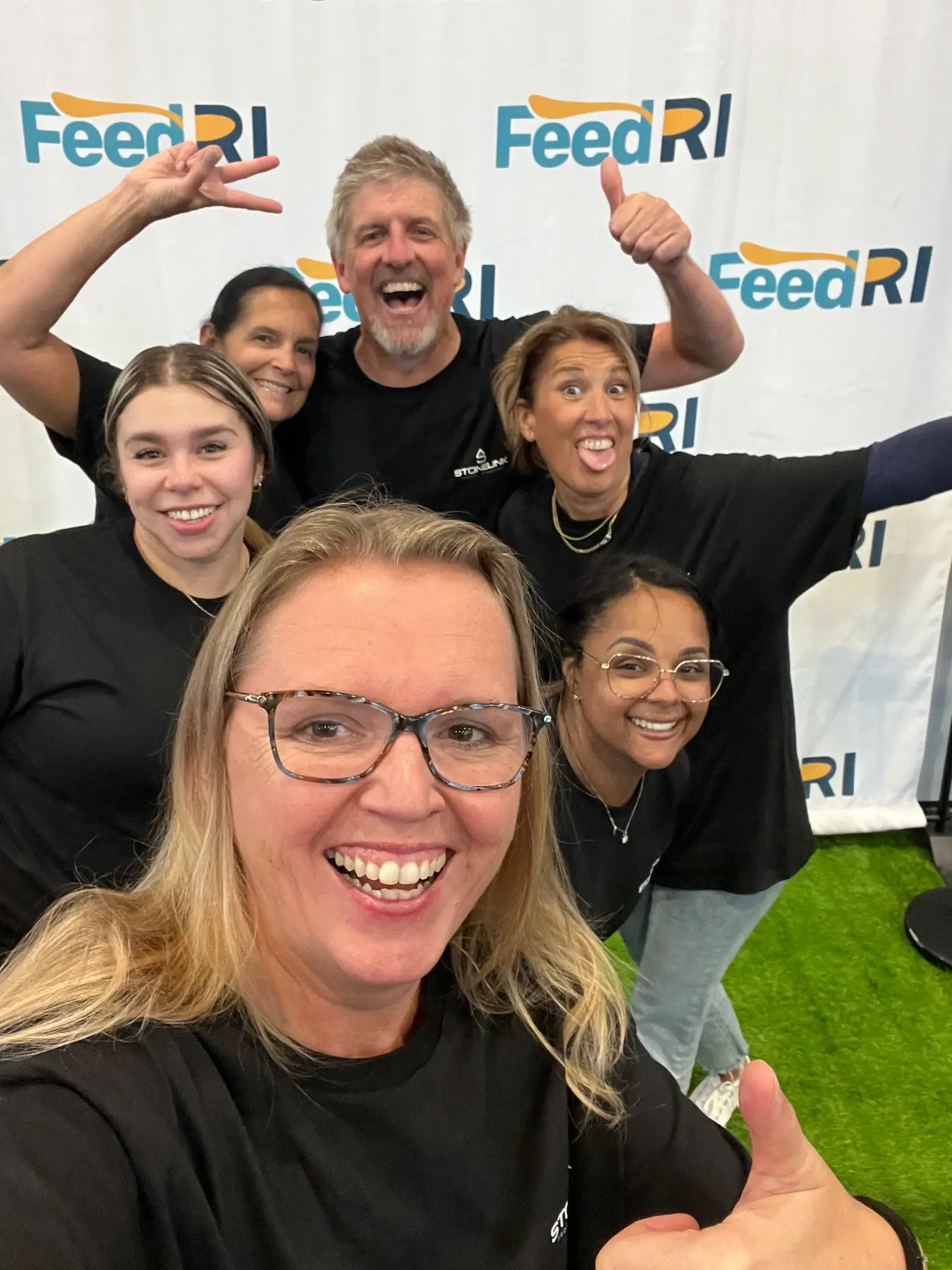
As operations evolved, so did the culture.
One of the most distinctive aspects of Stonelink today is how personal the workplace has become for many employees.
It is not uncommon for family members to work together within the company. Siblings, spouses, cousins, and extended family members often join teams that have already been built by someone they trust.
That level of integration does not happen by accident.
It reflects a workplace culture built on trust, accountability, and shared purpose.
The work itself is not easy. Property management brings constant challenges and pressure. But the culture that developed over time made it sustainable.
People stayed not just because of the work, but because of the environment they built together.
A Defining Moment During COVID
One of the most pivotal moments in Stonelink’s history came during the early COVID period.
In June 2020, the company onboarded a large institutional portfolio. The properties came with deferred maintenance, strict reporting requirements, and significant operational complexity.
At the same time, the broader world was dealing with uncertainty and disruption.
Many companies paused. Stonelink moved forward.
The onboarding process required immediate adaptation. Systems had to be strengthened. Reporting structures had to be improved. Operational discipline had to increase quickly.
It was not just a growth moment. It was a pressure test.
That experience accelerated the company’s maturity and reinforced the importance of structured systems and internal control.
Why Multifamily Management is Different
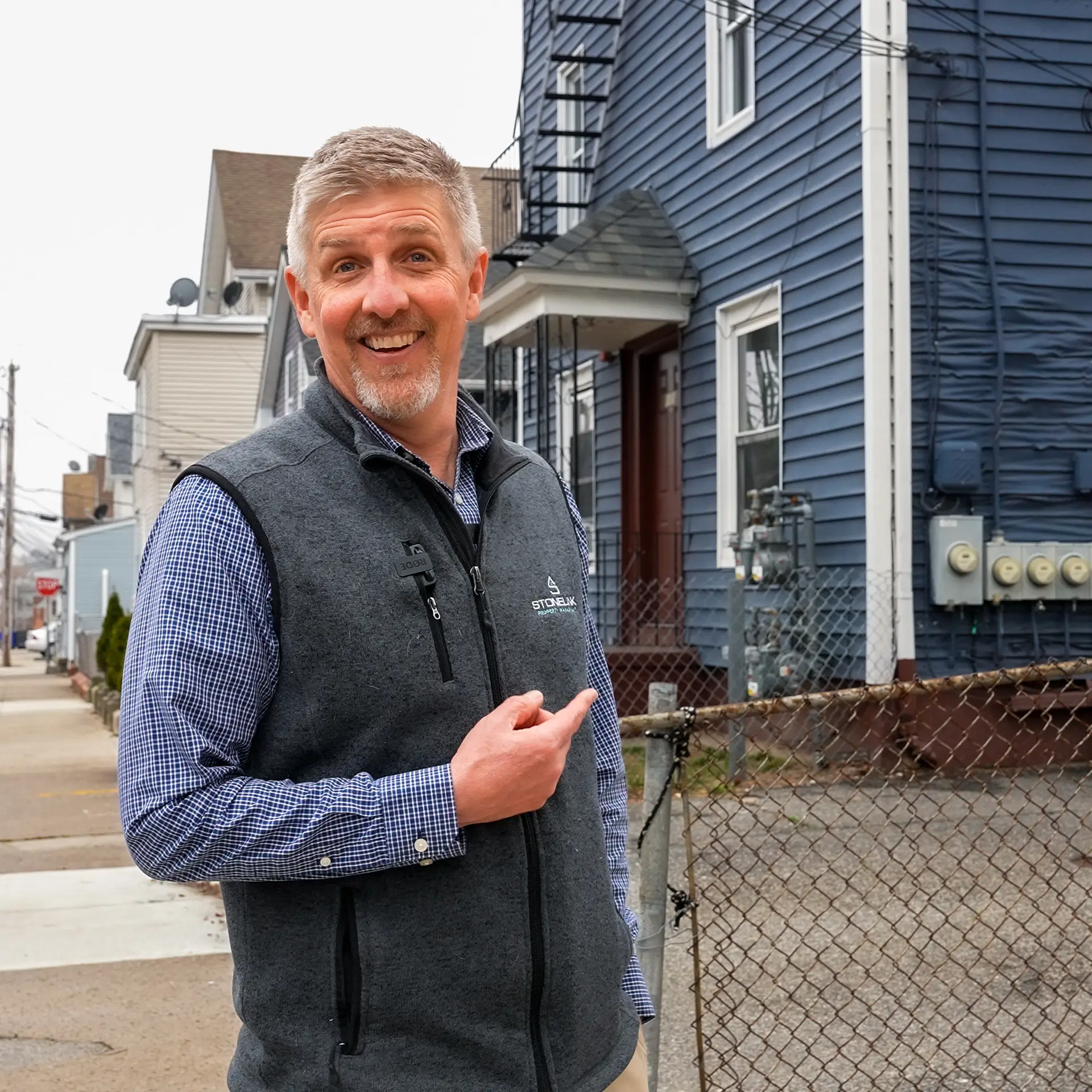
Stonelink’s focus has largely been on multifamily housing, particularly low-density residential properties.
In Rhode Island, these are typically small, low-density, older apartment buildings on scattered site properties with shared systems and infrastructure.
Unlike single-family homes, multifamily properties involve shared responsibilities across multiple residents. Utilities, maintenance systems, and common areas often overlap.
This creates operational complexity.
When something goes wrong, multiple residents are impacted at once. That increases urgency and raises the importance of consistent systems and fast response times.
Managing multifamily assets well requires structure, clarity, and coordination across all functions.
What Investors are Looking for Today
Over the past decade, investor expectations have also evolved.
The core objective has remained the same. Investors want returns. Whether through cash flow or long-term appreciation, the outcome has not changed.
What has changed is the difficulty of achieving those returns.
Inflation has increased costs across nearly every category, in both Rhode Island and nationwide. Taxes, insurance, maintenance, and utilities have all risen. Acquisition prices and interest rates have also increased significantly.
This environment puts pressure on performance.
As a result, investors are now focused heavily on operational efficiency. They want partners who can protect returns despite rising costs.
Efficiency has become a core value driver, not just an operational advantage.
Expanding into Affordable Housing
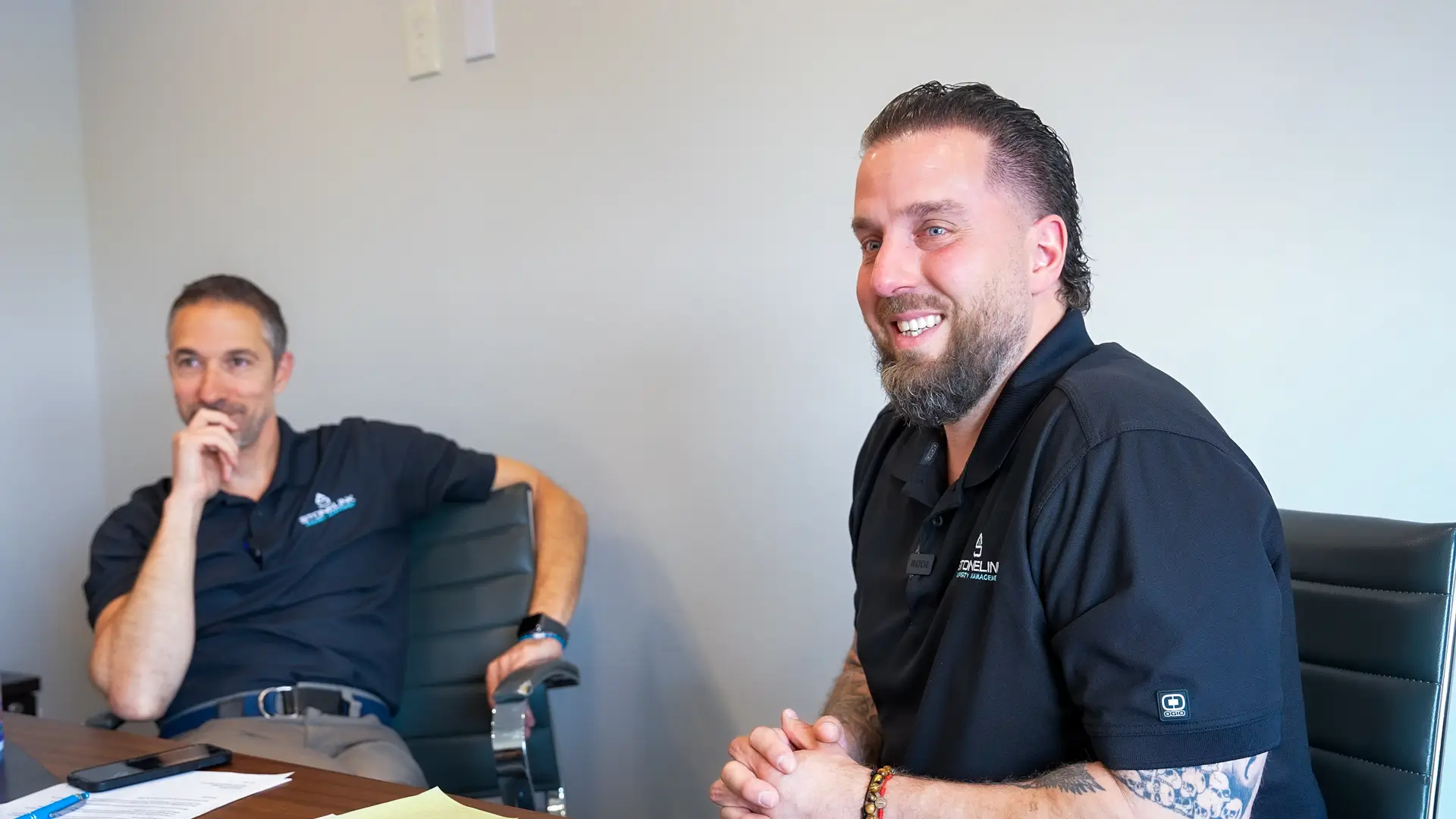
One of the most significant developments in Stonelink’s evolution is happening now: our expansion into affordable housing.
This move was not spontaneous. It was the result of years of preparation and capability building.
Affordable housing operates under a very different framework from private-market property management.
While the physical buildings may look similar, the compliance requirements are far more complex. Regulations, reporting standards, and eligibility rules all add layers of responsibility.
Because of this, Stonelink built dedicated teams specifically for affordable housing operations.
These teams include specialized property managers, maintenance staff with required certifications, and compliance-focused support roles.
This is not a shared function. It is a fully dedicated structure designed for a different operating environment.
“If we can bring our private market experience, investor mindset, and lessons that we have learned to the affordable housing space, then they can deliver more for their mission dollars. We can achieve true synergy in this space by delivering the best experience for our residents, the best outcome for our client, and, therefore, the best results for the community we are part of.”
Justin Mann, CEO, Stonelink Property Management
Why Affordable Housing Fits the Long-Term Vision
The decision to enter affordable housing was driven by more than operational capability.
It was also about impact.
The same systems that improved efficiency in private market housing can also improve outcomes in affordable housing. When operations are more efficient, resources can be stretched further and used more effectively.
That creates a broader benefit. It allows mission-driven housing organizations to serve more people with the same resources.
For Stonelink, this represents a natural extension of its core philosophy. Better systems lead to better outcomes, not just for investors, but for communities as well.
Technology and The Next Phase of Growth
Looking ahead, technology will play an increasingly important role in how Stonelink operates.
Artificial intelligence and automation are not being adopted to replace people. They are being used to reduce repetitive work and improve responsiveness.
The goal is to allow teams to focus more on human interaction and decision-making. Residents still need communication. Clients still need clarity. Those responsibilities remain human-centered.
At the same time, the company continues to explore new operational verticals that align with its integration strategy.
Growth will remain intentional. Expansion will continue, but only where it strengthens execution.
Frequently Asked Questions
1. What was Stonelink’s original property management model?
Stonelink started with a traditional approach where one property manager handled multiple responsibilities, including leasing, maintenance coordination, and resident communication.
2. Why did Stonelink move toward specialization?
As the company grew, it became clear that no single person could effectively manage all functions. This led to a shift toward specialized teams focused on specific operational areas to improve consistency and execution.
3. What is the main focus of Stonelink’s growth strategy today?
Stonelink’s current focus is on strengthening its vertically integrated model, improving operational efficiency, and using technology to support better service delivery for residents and clients.
Conclusion: Building The Next Decade on the Same Foundation
.webp)
The first ten years of Stonelink were built on a simple idea: responsibility and execution must stay connected. That belief shaped how the company moved from generalists to specialists, and eventually into a fully vertically integrated model designed to improve control, speed, and consistency across operations.
That same foundation is what carries the company forward. The structure may evolve, and the tools may change, but the approach remains the same. Solve problems directly. Own the outcome. Build systems that hold up under scale.
Going into the next decade, technology will support that direction by reducing manual work and improving responsiveness, allowing teams to focus more on communication, decision-making, and service. Vertical integration will continue to expand in a focused way, but only where it strengthens execution.
Affordable housing represents the next step in that evolution, applying the same operating discipline to a space where efficiency and reliability have an even broader impact.
Stonelink is not changing its foundation. It is building the next decade on it.
If you are an owner, investor, or partner looking for a more accountable, performance-driven approach to property management, contact Stonelink to start the conversation.